Semana Santa 2014: Viñac - Cañete valle
Abril 18 - 20, 2014

El paseo de semana santa con Luz en la 109 Series IIA 1971 fue una experiencia muy buena e interesante.
Estos son algunos de los detalles más resaltantes del viaje 4x4. Antes de que empieces a leer debo decirte que lo que me motiva a hacer estos viajes es explorar y conocer nuestro Perú a través de los medios que tengo a mi alcance, esta vez en Land Rover, muchas otra veces anteriores lo hicimos en bicicleta. Así que lo que vas a leer es el relato de la experiencia y las impresiones que este viaje nos ha dejado. La Land Rover es el medio, no el fin.
1. La ruta.
Propuesta por los amigos del Club Land Rover Peru: Lima - Cañete - Lunahuaná - Viñac. Muy buena, una trocha bien bacán. Me gustó. Un buen ejercicio de manejo 4x4 que a ratos pedía habilidad de manejo y fuerza a la 109 que respondió muy bien. La trepada desde San Jerónimo a 1,000 msnm hasta Viñac 3,314msnm y a Pampa Rosario 3,609 msnm -lugar donde acampamos la primera noche, en 43k es fuerte.

Puedes ver el mapa de la ruta en EveryTrail
Semana Santa 2014 -Viñac. Cañete valle
EveryTrail - Find hiking trails in California and beyond
2. El vehículo.
Mi Land Rover 109 Series IIA, 1971. Se portó muy bien. Todo el viaje sin problemas. Ahora con amortiguadores nuevos que absorbieron muy bien todos los baches, huecos y piedras del camino. Todavía no he resuelto bien el tema del encendido, adelantar la chispa, el sonido de cascabeleo y esas cosas. Pare varias veces a regular la ruedita del avance pero no logré llegar al punto óptimo, sin embargo hizo el camino sin problemas.

3. El paisaje.
Muy bonito el paisaje de nuestra sierra. Como siempre pleno de vistas únicas y hermosas a lo largo de todo el camino. Tal como leí una descripción en una publicación sobre la zona y la ruta los pueblitos a lo largo del camino parecen colgados en las laderas de los empinados Andes.


4. El viaje.
El viernes 18 marzo 2014 partimos de Lima como a las 7am. En el camino hicimos algunas paradas, en el grifo Kio a reabastecer combustible, lubricante y comprar algunas cosas. Luego en Pachacamac para desayunar el tradicional pan con chicharrón y café. La siguiente fue en mi casa de playa El Silencio para recoger un accesorio para la gata del carro. En la carretera Panamericana Sur hice varias paradas para regular la ruedita del avance del encendido, sin lograr eliminar totalmente el sonido de cascabeleo del motor sobre todo en las cuestas.
La velocidad de crucero fue de 80 kph y en algunas bajadas llegué hasta 95 kph.
En Cañete reabastecí combustible y haciendo los cálculos el consumo de combustible en el tramo Chaclacayo - Lima - Cañete fue de 25 kpg.
Luego de un breve descanso y algunas compras pequeñas en Cañete reiniciamos el viaje rumbo a Lunahuaná. Todo bien en este tramo. Excepto que había mucho tráfico de carros y a dos kilómetros de Lunahuaná una atracazon maldita, demoramos 1.5 horas en pasar.Ya eran las 2:30. Decidimos seguir de largo y no parar.
En el camino el hambre nos obligó a parar y comer algo de lo que llevamos en el cooler. Nosotros fuimos en plan de campamento así comida había bastante.
En este tramo hice varias paradas para regular el avance del encendido, media vuelta más cada vez, hasta que sentí que la cosa había mejorado, pero no al 100%.
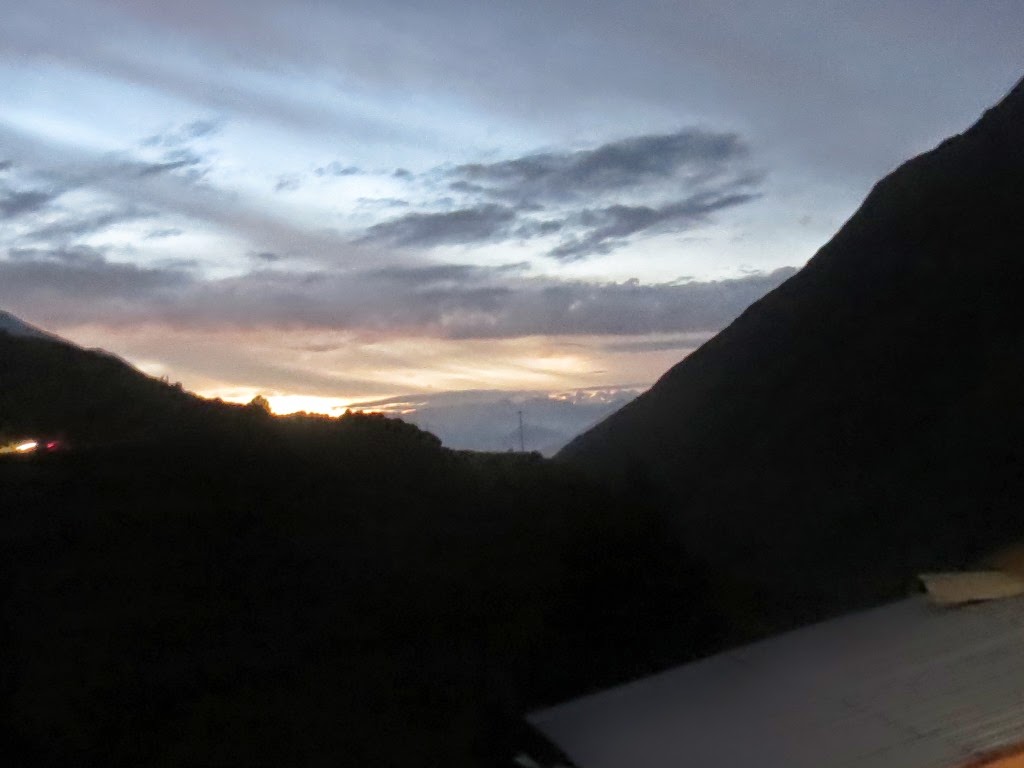 |
| Atardecer serrano |


 |
| Huangascar |
Pasando Huangáscar se hizo de noche y seguimos el camino, ahora con las luces altas y los faros auxiliares para ver bien la trocha y poder anticiparme a lo que viene adelante. Manejar de noche en esta trocha fue bien bacán y emocionante, sobre todo en las curvas cerradas seguidas de una fuerte cuesta. Manejar una LR Series IIA con timón y caja mecánica es toda una experiencia religiosa que demanda concentración, habilidad y buenos reflejos para hacer los cambios y maniobrar oportunamente en las trepadas. me gustó y lo disfruté mucho. La 109 se portó de maravilla, con todos sus caballos de fuerza desatados y furiosos en 4x4 Low.

Seguimos ya de noche y noté que el camino estaba mojado y había muchos charcos grandes, había llovido fuerte. Después de innumerables "Zetas" llegamos a Viñac a las 7pm, preguntamos por las camionetas de los miembros del Club Land Rover Peru, nos dijeron que estaban en la posta médica, fuimos hasta ahí y las encontramos estacionadas, preguntamos a la encargada de la posta y nos dijo que los dueños de las camionetas estaban en el refugio Viñac -el hotel fichón que hay en el lugar, hummm... bueno, muy caro $98 por persona, estos patas tienen plata y yo he venido en plan de campamento, así que le dejé una nota de saludo en el parabrisas de la Defender de Federico y también indicando donde me encontraría. Pampa Rosario, es el lugar que leí era ideal para acampar, gente amable, tranquilo y bastante espacio. Viñac no es un buen lugar para acampar, no hay espacio y mucha gente, es pueblo grande pues.
Preguntamos, Pampa Rosario? Más arriba como a 15 minutos, vas derecho y donde hay una lomada tomas la derecha. Hummm... medio jodido llegar así con esos datos, de noche, sin señalización, no está en el GPS y sin conocer la zona. Dos lugareños nos ofrecieron guiarnos a cambio de una jalada hasta el desvío pues ellos seguían a pie a su pueblo más allá a unas dos horas de camino. Pasó una moto, sigue la moto nos dijeron. La moto se perdió en la noche. Avanzamos despacio, trepada fuerte. Chekeo del GPS: altitud 3,609 msnm. Vimos unas luces y unas pocas casas, llegamos, medio complicado, no hay calles ni un camino bien marcado. La hierba crecida no dejaba ver el camino, avancé por lo que parecía una trocha hasta que se convirtió en huecos y piedras y al lado estaba la iglesia pero a un nivel más alto y ahí estaba la moto. Así que en retro avancé hasta donde creí que podría trepar hasta la moto, y así fué. Llegamos, era un terreno plano, la cancha del futbol y al lado la iglesia, había luz adentro y la puerta estaba entreabierta, vimos a alguien asomarse a vernos llegar.
Antes de bajar del carro nos abrigamos bien pues adentro estábamos calientes y en mangas cortas por el calor del motor, afuera hacía frío.
Bajamos y entramos a la iglesia, muy sencilla y rústica, como para el pequeño pueblo donde estábamos. Nos encontramos con un grupo de personas del lugar, reunidos, sentados las mujeres a una lado en el suelo y en bancas y al otro lado los hombres, estaban velando las imágenes nos dijeron por viernes santo, chacchando coca y bebiendo. Saludamos a todos y a cada uno de los presentes, nos presentamos y les explicamos el motivo de nuestra visita. Nos recibieron bien y nos invitaron a sentarnos y a compartir con ellos su costumbre. Nos invitaron "quemadito" un líquido caliente mezcla de infusión de hierbas silvestres y aguardiente de caña que iba pasando la botella y el vasito de mano en mano. Y así varias rondas, mientras conversábamos de sus cosas, sus costumbres, de nosotros, quienes somos, que hacemos, etc. Nos contaron que al pueblo casi nunca viene un cura y que el viernes santo ellos nomás hacen su costumbre y que para que venga el cura hay que pagarle, pero como al parecer el negocio de la religión no es bueno por aquí, porque ellos son muy pocos este pueblo está abandonado por una iglesia que lucra con la fe de gente que creen el algo que no entienden y que no les está permitido entender tampoco.
Velas delante del altar en candelabro de madera, imágenes de vírgenes y santos, lúmenes de luz cálida y olor a cera inundando el recinto, después de algunos quemaditos me dí cuenta de la inmejorable oportunidad fotográfica que estaba viviendo, así que hice algunas tomas.


 |
| Mujer vestida de negro. La única vestida así |
Después de un rato nos retiramos del lugar, ellos estaban ocupados más en tratar asuntos referidos a su vida comunal, del riego, las acequias, etc., que en un ritual religioso.
Luz se sentía mal. La altitud le estaba causando los estragos del mal de altura "soroche". Le preparé mate con la coca que nos convidaron con la cocinilla MSR Whisperlite Int'l, buena, nunca falla, siempre prende, pequeña, ligera, perfecta para acampar. Y seguidamente instalar el tarpulin y disponernos a descansar. En unos minutos armamos el campamento en la terraza delante de la iglesia donde estaba limpio y plano. Más adelante hablaré de las bondades del tarpulín que en este viaje demostró su eficiencia, practicidad y versatilidad bajo diferentes condiciones ambientales: frío, viento, lluvia, etc.


El abrigo.
Este es un tema importante que aquí lo aplicamos nosotros y que quiero compartir con los demás sobre el conocimiento práctico del aislamiento térmico tan importante cuando se acampa en lugares fríos.
El frío es la ausencia de calor. Nuestro cuerpo produce calor como resultado del metabolismo de nuestras células. La pérdida excesiva de calor corporal hacia el medio ambiente es lo que nos produce la sensación de frío. Entonces que hacer? Evitar la pérdida de calor de nuestro cuerpo, es decir, aislarlo térmicamente.
No es que el frío entra al cuerpo, es el calor el que sale.
Para aislar correctamente el cuerpo debemos cubrirlo con 2 o 3 capas de ropa que formen y mantengan una cubierta de aire calentado por nuestro cuerpo atrapado entre las fibras del tejido. Lo mejor es la ropa de tela polar, franela o similares. En los pies: zapatos anchos que permitan usar 2 o 3 pares de medias. En la piernas: Capa 1, pantalón de tela delgada de poliester expandex o similar, pegado a la piel. Capa 2 encima de la anterior pantalon de tela térmica tipo polar. Los blue jeans no sirven, la tela jean dura y compacta no mantiene aire caliente atrapado entre sus fibras. Capa 3 encima de la anterior, o cubierta expterior, pantalón de material sintético impermeable, transpirante que pemita salir el vapor del sudor. En el tronco del cuerpo y en los brazos las mismas capas que en las piernas. En las manos, guantes térmicos. En la cabeza gorro térmico.
Luz se sentía mal. La altitud le estaba causando los estragos del mal de altura "soroche". Le preparé mate con la coca que nos convidaron con la cocinilla MSR Whisperlite Int'l, buena, nunca falla, siempre prende, pequeña, ligera, perfecta para acampar. Y seguidamente instalar el tarpulin y disponernos a descansar. En unos minutos armamos el campamento en la terraza delante de la iglesia donde estaba limpio y plano. Más adelante hablaré de las bondades del tarpulín que en este viaje demostró su eficiencia, practicidad y versatilidad bajo diferentes condiciones ambientales: frío, viento, lluvia, etc.
El abrigo.
Este es un tema importante que aquí lo aplicamos nosotros y que quiero compartir con los demás sobre el conocimiento práctico del aislamiento térmico tan importante cuando se acampa en lugares fríos.
El frío es la ausencia de calor. Nuestro cuerpo produce calor como resultado del metabolismo de nuestras células. La pérdida excesiva de calor corporal hacia el medio ambiente es lo que nos produce la sensación de frío. Entonces que hacer? Evitar la pérdida de calor de nuestro cuerpo, es decir, aislarlo térmicamente.
No es que el frío entra al cuerpo, es el calor el que sale.
Para aislar correctamente el cuerpo debemos cubrirlo con 2 o 3 capas de ropa que formen y mantengan una cubierta de aire calentado por nuestro cuerpo atrapado entre las fibras del tejido. Lo mejor es la ropa de tela polar, franela o similares. En los pies: zapatos anchos que permitan usar 2 o 3 pares de medias. En la piernas: Capa 1, pantalón de tela delgada de poliester expandex o similar, pegado a la piel. Capa 2 encima de la anterior pantalon de tela térmica tipo polar. Los blue jeans no sirven, la tela jean dura y compacta no mantiene aire caliente atrapado entre sus fibras. Capa 3 encima de la anterior, o cubierta expterior, pantalón de material sintético impermeable, transpirante que pemita salir el vapor del sudor. En el tronco del cuerpo y en los brazos las mismas capas que en las piernas. En las manos, guantes térmicos. En la cabeza gorro térmico.
Y finalmente para dormir bien, una buena bolsa de dormir adecuada para la temperatura del lugar donde vamos a acampar.
Nos quedamos dormidos al instante. Yo toda la noche, pero Luz se despertó por el dolor que le hacía estallar la cabeza. para ella fue una noche horrible.
Amaneció, Luz me despertó diciéndome lo mal que se sentía. así que no lo dudamos un solo instante, tenemos que bajar a una altura que no la afecte, rápido levantamos el campamento y partimos.


Estábamos ya saliendo cuando vimos la Defender de Federico subiendo hacia nosotros con Nik y Richard a bordo, fue grato encontrarlos y hablar un ratito pues bajar a Luz a menor altura era urgente. Emprendimos la bajada, pasamos por Viñac saludando brevememte a los demás viajeros landroveros que estaban allí y llegamos a Huangáscar.
Nos quedamos dormidos al instante. Yo toda la noche, pero Luz se despertó por el dolor que le hacía estallar la cabeza. para ella fue una noche horrible.
Amaneció, Luz me despertó diciéndome lo mal que se sentía. así que no lo dudamos un solo instante, tenemos que bajar a una altura que no la afecte, rápido levantamos el campamento y partimos.
Estábamos ya saliendo cuando vimos la Defender de Federico subiendo hacia nosotros con Nik y Richard a bordo, fue grato encontrarlos y hablar un ratito pues bajar a Luz a menor altura era urgente. Emprendimos la bajada, pasamos por Viñac saludando brevememte a los demás viajeros landroveros que estaban allí y llegamos a Huangáscar.
 |
| Viñac |
En Huangáscar a 2,540 msnm Luz empezó a sentirse mejor. Aquí una señora nos pidió llevarla hasta San Jerónimo, pero no estábamos seguros de hasta donde llegaríamos. Lo que queríamos era hallar un lugar bonito para acampar junto al río, que sea plano, un jardín o playa en la orilla. Eso le dijimos a la señora y ella nos dijo que por donde ella vive hay eso, playa de arena cubierta de pasto, plano, junto al río, tranquilo y bonito. Así que subimos a la señora y su carga de papas a la 109 y continuamos la bajada observando y admirando el paisaje ahora ya mejor y tranquilos a menor altura.

Bajábamos despacio y nos alcanzaron Nik -88 Series IIA y Richard -Discovery V8; Federico -Defender 110 Td5 y Larry -Discovery V8 nos pasaron cuando paramos en Huangáscar. Con ellos paramos un rato para hablar del viaje, del camino y de los carros. Tomar unas fotos y seguimos los tres hacía abajo. Ellos ya se iban a Lima, nosotros nos quedábamos a acampar nuestra segunda noche en la zona.


 |
| Las zetas del camino |
Bajábamos despacio y nos alcanzaron Nik -88 Series IIA y Richard -Discovery V8; Federico -Defender 110 Td5 y Larry -Discovery V8 nos pasaron cuando paramos en Huangáscar. Con ellos paramos un rato para hablar del viaje, del camino y de los carros. Tomar unas fotos y seguimos los tres hacía abajo. Ellos ya se iban a Lima, nosotros nos quedábamos a acampar nuestra segunda noche en la zona.
 |
| Discovery V8 de Richard. 109 Series IIA de Aníbal, bajándole la presión a las llantas |
 |
| 88 Series IIA de Nik |
Llegamos a San Jerónimo donde nos despedimos de Richard y Nik y seguimos guiados por la señora hasta el lugar que nos dijo. Ideal, perfecto, exactamente lo que queríamos.

Además en el lugar hay una interesante atracción y curiosidad para nosotros: la oroya que usan la gente local para atravesar el río. Para Luz era la primera vez en su vida que subía a una oroya así que no dudó en experimentar una cruzada de río ida y vuelta.


Lo que sigue fue la armada del campamento, instalar el tarpulin, preparar comida con la cocina para el fin del mundo -Kelly Kettle, que por primera vez la usaba para probar como funciona y luego bañarnos en el río y descansar el resto de la tarde.


Y así fue... todo bien, todo suave, todo bonito, hasta que...

Empezó a llover. De inmediato pusimos las cosas debajo del tarpulín incluidos nosotros dos y comprobamos como el tarpulín pasaba con éxito la prueba de la lluvia. Debajo de el todo seco, ni una gota de agua, todo limpio, fresco, muy amplio y cómodo.
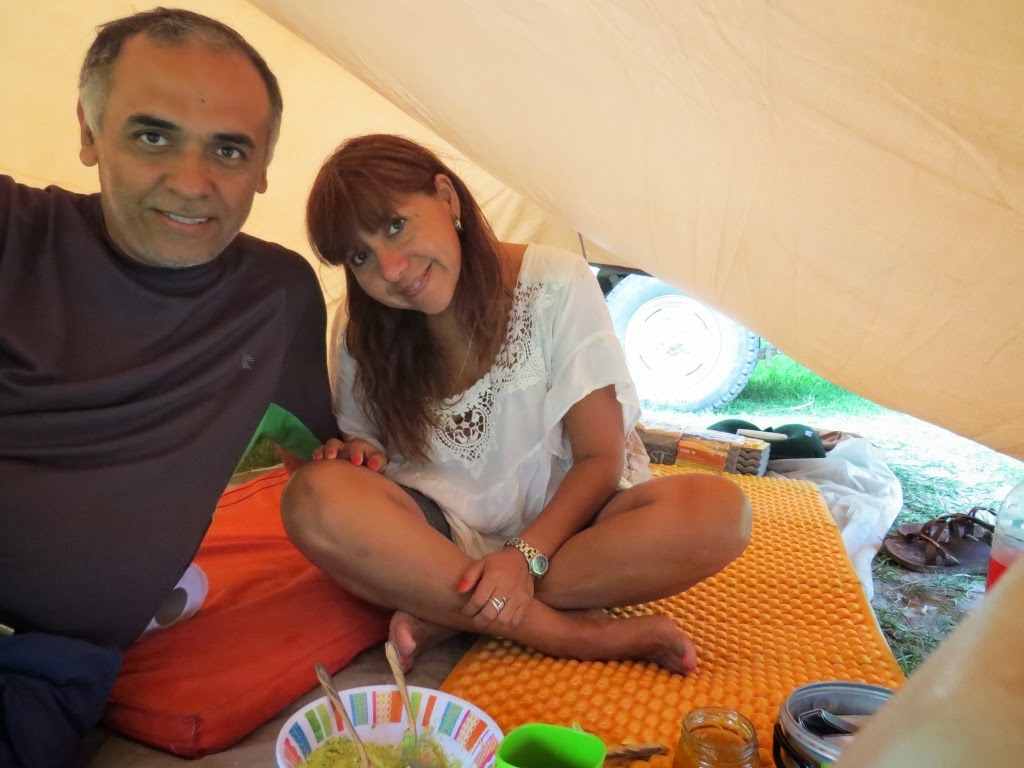
Algo que me gustó mientras estábamos debajo del tarpulin durante la lluvia es que podíamos observar todo a nuestro alrededor y sentir como cambiaba la intensidad de la lluvia hasta que dejo de llover.

Cuando la lluvia terminó, salimos fuera del tarpulin y nos asombramos con el hermoso arcobaleno en el cielo


Siguieron los breves instantes de la luz crepuscular de la hora mágica.


Para la noche planeamos parrilla, para lo cual habíamos llevado todo lo necesario. Hacer la parrilla fue una ceremonia más bien complicada que demandó ingenio, paciencia y buen humor para lograr encender la fogata con leña y paja mojada por la lluvia. El carbón que llevamos nos salvó.


Pero al final tras largo batallar, el hombre logró dominar el fuego y se hizo la parrilla a como de lugar.


Terminada la batalla del fuego y acabada la parrilla y el vino siguió el relax y la paz de las horas nocturnas con sus visiones y sonidos únicos. De las visiones algunas se pueden ver aquí, de los sonidos solo queda el recuerdo en mi memoria.

Dormir bajo el tarpulín es una experiencia especial, pero dormir bajo las estrellas es una experiencia única, y eso es lo que hice y durante la noche abrí los ojos varias veces y cada vez veía algo distinto en el cielo cambiante con el transcurso de las horas las estrellas y los astros se desplazan. Marte, Venus, Luna y Júpiter fueron parte del show estelar.
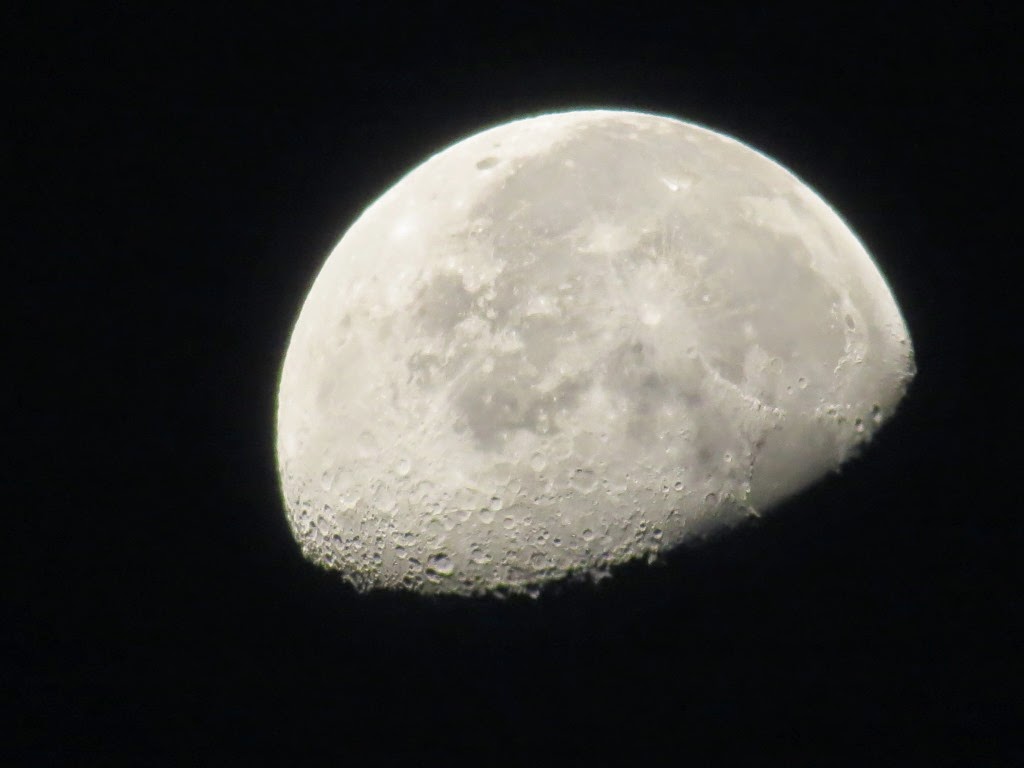
Hasta que el espectáculo del amanecimiento me hizo despertar y encender la cámara fotográfica y grabar lo que veía.


Además en el lugar hay una interesante atracción y curiosidad para nosotros: la oroya que usan la gente local para atravesar el río. Para Luz era la primera vez en su vida que subía a una oroya así que no dudó en experimentar una cruzada de río ida y vuelta.
 |
| El tarpulin en acción. Perfecto, practico, cómodo, amplio, versátil. en esta oportunidad un extremo va atado a la Land Rover que sirve de soporte y el otro extremo va soportado con un parante. El lado que va hasta el piso por donde sopla el viento, el otro lado abierto y a una altura que permita el fácil acceso. |
 |
| Usando por primera vez la cocina para el fin del mundo Kelly Kettle, funciona bien, es cosa de aprender a controlar la combustión y usar el material combustible adecuado. Se puede usar cualquier cosa que se queme, madera, papel, cartón, tela, paja, etc, etc. |
Y así fue... todo bien, todo suave, todo bonito, hasta que...
 |
| El tarpulin en la lluvia. Bajamos el lado abierto hasta una altura conveniente que proteja de la lluvia |
Empezó a llover. De inmediato pusimos las cosas debajo del tarpulín incluidos nosotros dos y comprobamos como el tarpulín pasaba con éxito la prueba de la lluvia. Debajo de el todo seco, ni una gota de agua, todo limpio, fresco, muy amplio y cómodo.
 |
| Recogiendo agua de lluvia |
 |
| Afuera lluvia, debajo del tarpulin todo bien, seco y tranquilo |
Algo que me gustó mientras estábamos debajo del tarpulin durante la lluvia es que podíamos observar todo a nuestro alrededor y sentir como cambiaba la intensidad de la lluvia hasta que dejo de llover.
Siguieron los breves instantes de la luz crepuscular de la hora mágica.
Para la noche planeamos parrilla, para lo cual habíamos llevado todo lo necesario. Hacer la parrilla fue una ceremonia más bien complicada que demandó ingenio, paciencia y buen humor para lograr encender la fogata con leña y paja mojada por la lluvia. El carbón que llevamos nos salvó.
Dormir bajo el tarpulín es una experiencia especial, pero dormir bajo las estrellas es una experiencia única, y eso es lo que hice y durante la noche abrí los ojos varias veces y cada vez veía algo distinto en el cielo cambiante con el transcurso de las horas las estrellas y los astros se desplazan. Marte, Venus, Luna y Júpiter fueron parte del show estelar.
Hasta que el espectáculo del amanecimiento me hizo despertar y encender la cámara fotográfica y grabar lo que veía.
Domingo 20 abril 2014, día final del paseo. Desayuno. Desarmar el campamento. Ordenar, limpiar, dejar el lugar tal como lo encontramos y sin mas rastro que las huellas de la Land Rover. Bajada de retorno por la carretera a Lunahuaná y a Cañete.
En Lunahuaná hicimos una parada para comprar vino y pisco en la bodega Lira que conocimos hace varios años y que produce buen vino y pisco. Las cosas han cambiado un poco en esta bodega, se han modernizado, pero no estoy seguro si para bien o para mal, han cambiado el antiguo portón de madera y muros de adobones por una espantosa puerta metalica con vidrios tipo espejo, reja de metal y muros de ladrillo y columnas de concreto. Adentro las botijas de barro están de adorno, ya no maceran el mosto en ellas, el pisco lo almacenan en tanques de plastico para uso agro-industrial marca Eternit, los toneles de madera igualmente son un adorno, han sido reemplazados por plastico. Ya no pisan la uva, ahora la trituran en una maquina de acero inoxidable, usan una filtradora y una maquina llenadora moderna. Los tiempos han cambiado, de antaño solo queda el recuerdo y una vieja cruz de palo para evitar que el diablo malogre el vino.


Y finalmente el último tramo de la aventura en Land Rover lo hicimos por la carretera hasta Caltopilla donde empieza la subida fuerte, ahí tomamos un desvío por una trocha que figura en el mapa del GPS para salir por Ungará bordeando el río, tomamos la trocha angosta hasta la bifurcación a la izquierda a Ungará - Cañete a la derecha por la culebrilla hasta La Florida - Imperial - Cañete. Por la trocha de Unagrá no pudimos avanzar mucho, unos campesinos nos dijeron que el camino está cortado porque el río se lo ha comido y no hay pase, que solo se puede ir por la culebrilla, etc.


Por todo esto y muchas cosas más me gusta el paseo en mi Land Rover 109, Series IIA, 1971.
En Lunahuaná hicimos una parada para comprar vino y pisco en la bodega Lira que conocimos hace varios años y que produce buen vino y pisco. Las cosas han cambiado un poco en esta bodega, se han modernizado, pero no estoy seguro si para bien o para mal, han cambiado el antiguo portón de madera y muros de adobones por una espantosa puerta metalica con vidrios tipo espejo, reja de metal y muros de ladrillo y columnas de concreto. Adentro las botijas de barro están de adorno, ya no maceran el mosto en ellas, el pisco lo almacenan en tanques de plastico para uso agro-industrial marca Eternit, los toneles de madera igualmente son un adorno, han sido reemplazados por plastico. Ya no pisan la uva, ahora la trituran en una maquina de acero inoxidable, usan una filtradora y una maquina llenadora moderna. Los tiempos han cambiado, de antaño solo queda el recuerdo y una vieja cruz de palo para evitar que el diablo malogre el vino.
 |
| Desvío entrada a la trocha ruta alterna a Cañete vía Ungará y La Florida |
 |
| Allá arriba la trocha culebrilla |
 |
| La trocha a Ungará está en desuso, esta cortada, el río se la llevó, no hay pase, ni para una Land Rover |
 |
| Repartición de la trocha a la izq. a Ungará, a la der. por la culebrilla a La Florida |
 |
| Trepada de la culebrilla |
 |
| Valle bajo de Cañete visto desde la culebrilla |
Por todo esto y muchas cosas más me gusta el paseo en mi Land Rover 109, Series IIA, 1971.
